“𝘞𝘦’𝘳𝘦 𝘴𝘵𝘪𝘭𝘭 𝘴𝘱𝘳𝘪𝘯𝘵𝘪𝘯𝘨 𝘵𝘰𝘸𝘢𝘳𝘥 𝘵𝘩𝘦 𝘤𝘭𝘪𝘧𝘧.”
That’s how 𝗗𝗶𝗱𝗶𝗲𝗿 𝗚𝗿𝗶𝗹𝗹𝗼𝘁, 𝗙𝗼𝘂𝗻𝗱𝗲𝗿 𝗮𝗻𝗱 𝗖𝗘𝗢 𝗼𝗳 𝗛𝟮𝗗, describes the current approach to sustainability in the chemical industry. With over 30 years of global experience in technical and commercial leadership, Didier launched H2D to address what he saw as a critical disconnect between ambition and action.
Despite mounting environmental challenges and a growing chorus of ESG commitments, many companies continue to operate without embedding sustainability at the core of their decisions.
𝗧𝗵𝗲 𝗟𝗶𝗺𝗶𝘁𝘀 𝗼𝗳 𝗮 𝗖𝗮𝗿𝗯𝗼𝗻-𝗢𝗻𝗹𝘆 𝗙𝗼𝗰𝘂𝘀
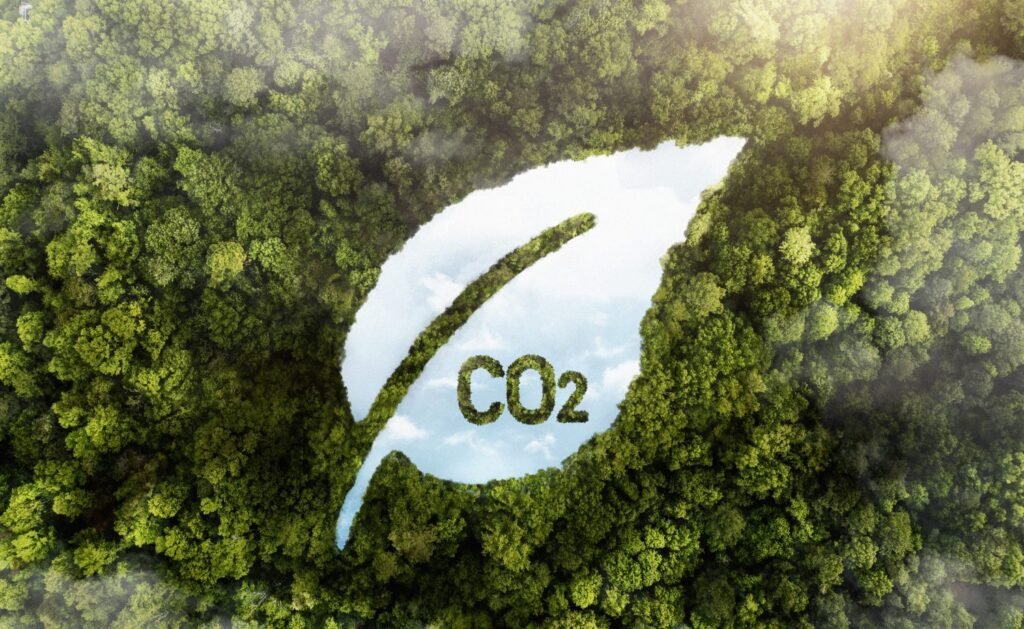
H2D was founded on the belief that carbon emissions are only part of the story. While reducing CO₂ is important, focusing exclusively on carbon risks overlooking a host of other serious environmental impacts.
“𝘞𝘦’𝘳𝘦 𝘵𝘢𝘭𝘬𝘪𝘯𝘨 𝘢𝘣𝘰𝘶𝘵 𝘸𝘢𝘵𝘦𝘳 𝘱𝘰𝘭𝘭𝘶𝘵𝘪𝘰𝘯, 𝘰𝘤𝘦𝘢𝘯 𝘢𝘤𝘪𝘥𝘪𝘧𝘪𝘤𝘢𝘵𝘪𝘰𝘯, 𝘭𝘰𝘴𝘴 𝘰𝘧 𝘣𝘪𝘰𝘥𝘪𝘷𝘦𝘳𝘴𝘪𝘵𝘺, 𝘢𝘯𝘥 𝘴𝘰𝘪𝘭 𝘥𝘦𝘨𝘳𝘢𝘥𝘢𝘵𝘪𝘰𝘯,” Didier explains. “𝗖𝗮𝗿𝗯𝗼𝗻 𝗶𝘀 𝗽𝗮𝗿𝘁 𝗼𝗳 𝘁𝗵𝗲 𝗲𝗾𝘂𝗮𝘁𝗶𝗼𝗻—𝗯𝘂𝘁 𝗶𝘁’𝘀 𝗻𝗼𝘁 𝘁𝗵𝗲 𝘄𝗵𝗼𝗹𝗲 𝗽𝗶𝗰𝘁𝘂𝗿𝗲.”
Didier points to issues such as freshwater scarcity, microplastic contamination, and the acidification of oceans—all of which threaten ecosystems and long-term human health. Yet these impacts remain under-addressed in most corporate strategies.
This is why H2D’s work begins with enhanced lifecycle assessments (LCAs), measuring environmental impacts across a broad range of indicators. This approach gives companies a full view of their footprint and a data-driven path toward improvement.
𝗔 𝗦𝗽𝗲𝗰𝗶𝗮𝗹𝗶𝘀𝘁, 𝗘𝗻𝗴𝗶𝗻𝗲𝗲𝗿𝗶𝗻𝗴-𝗟𝗲𝗱 𝗔𝗽𝗽𝗿𝗼𝗮𝗰𝗵
H2D’s strength lies in its deep technical expertise. The team is made up of chemical engineers, formulation specialists, and LCA experts who understand the mechanics and realities of applied chemistry. Their solutions are rooted in the science of how molecules behave, how they are synthesized, and how they can be optimized to reduce environmental impact.
“𝗪𝗲’𝗿𝗲 𝗻𝗼𝘁 𝗴𝗲𝗻𝗲𝗿𝗮𝗹𝗶𝘀𝘁𝘀,” Didier says. “We know the chemical industry inside out. That allows us to go beyond abstract strategies and deliver practical changes that work—both environmentally and commercially.”
This combination of engineering knowledge and economic awareness ensures that H2D’s recommendations are not only sustainable but also feasible within clients’ operations and budgets.
𝗔𝗱𝗱𝗿𝗲𝘀𝘀𝗶𝗻𝗴 𝗠𝗶𝘀𝗰𝗼𝗻𝗰𝗲𝗽𝘁𝗶𝗼𝗻𝘀 𝗶𝗻 𝘁𝗵𝗲 𝗜𝗻𝗱𝘂𝘀𝘁𝗿𝘆
Didier is candid about the fact that many companies are still making decisions based on assumptions rather than evidence.
“There’s a belief that switching to bio-based materials is always better,” he notes. “𝘉𝘶𝘵 𝘸𝘪𝘵𝘩𝘰𝘶𝘵 𝘢𝘴𝘴𝘦𝘴𝘴𝘪𝘯𝘨 𝘪𝘮𝘱𝘢𝘤𝘵𝘴 𝘰𝘯 𝘸𝘢𝘵𝘦𝘳 𝘶𝘴𝘦, 𝘭𝘢𝘯𝘥 𝘤𝘰𝘮𝘱𝘦𝘵𝘪𝘵𝘪𝘰𝘯, 𝘢𝘯𝘥 𝘱𝘦𝘴𝘵𝘪𝘤𝘪𝘥𝘦 𝘯𝘦𝘦𝘥𝘴, 𝘵𝘩𝘢𝘵 𝘴𝘸𝘪𝘵𝘤𝘩 𝘤𝘢𝘯 𝘢𝘤𝘵𝘶𝘢𝘭𝘭𝘺 𝘤𝘳𝘦𝘢𝘵𝘦 𝘮𝘰𝘳𝘦 𝘩𝘢𝘳𝘮 𝘵𝘩𝘢𝘯 𝘨𝘰𝘰𝘥.”
𝗧𝗵𝗶𝘀 𝗶𝘀 𝘄𝗵𝗲𝗿𝗲 𝗛𝟮𝗗’𝘀 𝗟𝗖𝗔𝘀 𝗽𝗹𝗮𝘆 𝗮 𝘃𝗶𝘁𝗮𝗹 𝗿𝗼𝗹𝗲—highlighting unintended consequences, identifying “hot spots” of environmental impact, and offering alternatives grounded in fact.
Another common issue is what Didier calls 𝘂𝗻𝗶𝗻𝘁𝗲𝗻𝘁𝗶𝗼𝗻𝗮𝗹 𝗴𝗿𝗲𝗲𝗻𝘄𝗮𝘀𝗵𝗶𝗻𝗴: well-meaning sustainability efforts that rely on marketing language without measurable outcomes.
“𝘚𝘶𝘴𝘵𝘢𝘪𝘯𝘢𝘣𝘪𝘭𝘪𝘵𝘺 𝘩𝘢𝘴 𝘵𝘰 𝘣𝘦 𝘮𝘰𝘳𝘦 𝘵𝘩𝘢𝘯 𝘢 𝘭𝘢𝘣𝘦𝘭. 𝘐𝘵 𝘯𝘦𝘦𝘥𝘴 𝘵𝘰 𝘣𝘦 𝘥𝘦𝘴𝘪𝘨𝘯𝘦𝘥 𝘴𝘤𝘪𝘦𝘯𝘵𝘪𝘧𝘪𝘤𝘢𝘭𝘭𝘺, 𝘦𝘴𝘱𝘦𝘤𝘪𝘢𝘭𝘭𝘺 𝘪𝘯 𝘢𝘯 𝘪𝘯𝘥𝘶𝘴𝘵𝘳𝘺 𝘢𝘴 𝘤𝘰𝘮𝘱𝘭𝘦𝘹 𝘢𝘯𝘥 𝘩𝘪𝘨𝘩-𝘪𝘮𝘱𝘢𝘤𝘵 𝘢𝘴 𝘤𝘩𝘦𝘮𝘪𝘤𝘢𝘭𝘴.”
𝗙𝗿𝗼𝗺 𝗙𝗶𝗿𝘀𝘁 𝗤𝘂𝗲𝘀𝘁𝗶𝗼𝗻𝘀 𝘁𝗼 𝗟𝗮𝘀𝘁𝗶𝗻𝗴 𝗖𝗵𝗮𝗻𝗴𝗲
When a company approaches H2D, the process starts with a clear set of questions: What is your current situation? What do you mean by environmental impact? What are your goals?
Many companies, Didier explains, immediately respond with “we want to reduce our carbon footprint” or “we want to use more bio-based products.” His reply is consistent: “Those are not objectives—they’re tactics. 𝘞𝘦 𝘯𝘦𝘦𝘥 𝘵𝘰 𝘶𝘯𝘥𝘦𝘳𝘴𝘵𝘢𝘯𝘥 𝘺𝘰𝘶𝘳 𝘧𝘶𝘭𝘭 𝘤𝘰𝘯𝘵𝘦𝘹𝘵 𝘢𝘯𝘥 𝘥𝘦𝘧𝘪𝘯𝘦 𝘢 𝘮𝘦𝘢𝘴𝘶𝘳𝘢𝘣𝘭𝘦 𝘴𝘵𝘳𝘢𝘵𝘦𝘨𝘺 𝘵𝘩𝘢𝘵 𝘨𝘰𝘦𝘴 𝘣𝘦𝘺𝘰𝘯𝘥 𝘢𝘴𝘴𝘶𝘮𝘱𝘵𝘪𝘰𝘯𝘴.”
That clarity is essential. Whether it’s decarbonizing energy sources, optimizing a production process, or reformulating a product line, change requires technical insight and careful design.
When quick wins are possible—such as shifting energy sources in countries with clean grids—they are implemented. But most change takes time, commitment, and collaboration.
The Financial Risk of Inaction
One of the most underappreciated aspects of the sustainability conversation is financial risk.
Doing nothing, Didier argues, will ultimately cost far more than taking action. Insurance premiums are rising in response to extreme weather events. Supply chains are vulnerable to resource shocks. In many cases, large corporations are already passing sustainability expectations down the value chain to their suppliers.
“Many companies underestimate how much this will affect their bottom line,” Didier says. “Not just from regulation or investor pressure, but from real economic losses caused by environmental instability.”
Studies consistently show that a one-degree rise in global temperature could shave trillions off global GDP. Insurance claims from natural disasters are escalating. In some regions, sectors are becoming uninsurable altogether.
“Sustainability isn’t just about ethics—it’s about resilience.”
What Clients Say
Companies that work with H2D often highlight three things: the reliability of the insights, the collaborative way of working, and the sense of possibility the process creates.
“We bring optimism, not just analysis,” Didier says. “Sustainability can feel overwhelming. But when clients see the results of their efforts—and that there’s a path forward—they become engaged and energised.”
He adds, “Some even tell us it’s fun to work with us. And in this line of work, that’s not something to take for granted.”
Looking ahead
The industry is already shifting. Larger players are making sustainability a strategic priority, and the ripple effects are being felt across the value chain. H2D is helping accelerate that change—by bringing deep sector knowledge, scientific rigour, and economic practicality to the table.
𝗜𝗳 𝘆𝗼𝘂𝗿 𝗯𝘂𝘀𝗶𝗻𝗲𝘀𝘀 𝗶𝘀 𝗿𝗲𝗮𝗱𝘆 𝘁𝗼 𝗺𝗼𝘃𝗲 𝗯𝗲𝘆𝗼𝗻𝗱 𝗰𝗮𝗿𝗯𝗼𝗻 𝗵𝗲𝗮𝗱𝗹𝗶𝗻𝗲𝘀 𝗮𝗻𝗱 𝗶𝗻𝘁𝗼 𝗺𝗲𝗮𝘀𝘂𝗿𝗮𝗯𝗹𝗲 𝗮𝗰𝘁𝗶𝗼𝗻, 𝗛𝟮𝗗 𝗶𝘀 𝗵𝗲𝗿𝗲 𝘁𝗼 𝗵𝗲𝗹𝗽.